Is HMDD’s Price Tag Justified? Breaking Down the Value for Buyers
Those currently browsing the streetwear space keep circling back to one question: does HMDD really come through on design and build quality measured against what it costs? The label — officially known as Happy Memories Don’t Die — has earned a fanbase through graphics that hit an emotional nerve, a wistful, throwback look, and a wardrobe that leans heavily on cozy essential pieces like sweatpants, shorts, hoodies, and tees. Still, branding and vibe alone can’t settle the price debate. This article breaks down what you’re actually paying for when you buy HMDD clothing, where the value checks out, where it doesn’t, and how it compares to comparable streetwear labels in 2026.
Any honest hmdd review has to distinguish the brand story from the product itself. HMDD relies on a specific emotional hook — the idea that happy memories don’t die, that clothing can carry sentiment rather than just style. That’s a compelling hook, but buyers putting down actual cash want to know if the construction, weight, and fit justify the spend. We’ll dig into construction, sizing consistency, drop frequency, and resale demand to give a grounded picture rather than parroting HMDD’s own messaging.
What Your Money Really Buys
Positioned as a mid-range streetwear brand, HMDD costs more than mall-brand basics while sitting under high-end hype labels. This in-between spot is exactly where value questions get murky, since people size it up against both budget and luxury options. The better yardstick is similar-scale independent labels — not fast www.hmddoff.com fashion, and not designer collaborations.
Three things drive the price tag: fabric weight, print/embroidery technique, and limited-run scarcity. HMDD sweatpants generally rely on denser fleece fabric than a standard mass-retailer hoodie set, which affects drape and how the garment holds shape after repeated washes. The artwork — frequently the sentimental heart of the “happy memories don’t die” branding — are usually applied with techniques that hold up better than a basic heat-transfer print, which matters if you’re wearing a piece weekly rather than occasionally.
Limited-run releases push cost up too, since smaller production runs carry less per-unit efficiency than mass retailers get, cost that trickles down to the customer. Plenty of independent labels share this trait — it’s common practice industry-wide — but it’s worth stating plainly, since it accounts for some of the gap versus big retailers.
Sweatpants and Shorts Together: The Real Value Check
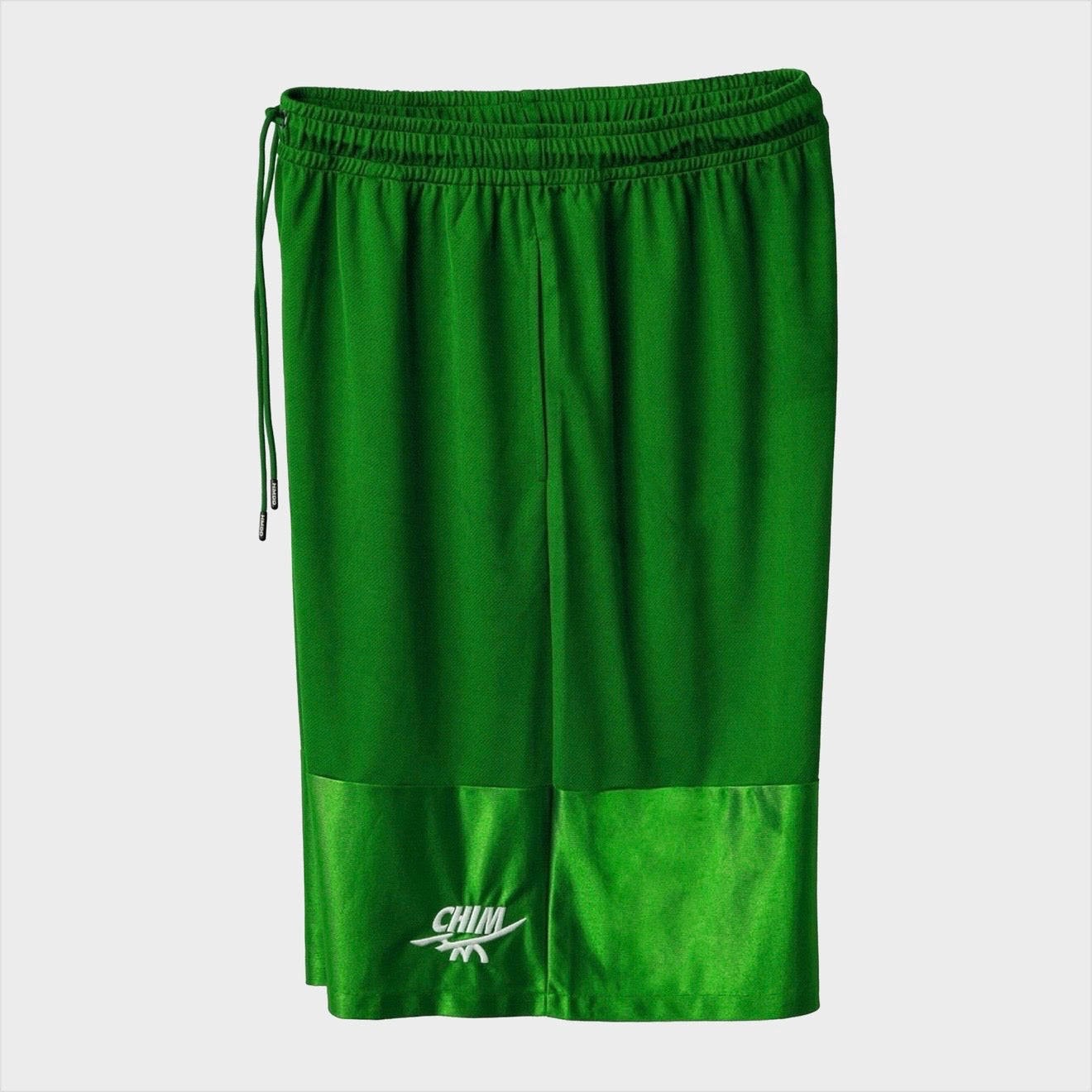
Sweatpants and shorts from hmdd usually act as where most shoppers first engage with the brand, and since they’re used with such frequency and washed so much, they end up being the most revealing measure of value. Sweatpant styles are ultimately judged by three things: how well the waistband holds its stretch, fabric pilling over time, and whether the cut stays true after twelve washes. Short styles get evaluated on how long the drawstring lasts, inseam seam strength, and whether the material holds color after multiple washes.
Customers regularly point out that HMDD’s sweatpants run true to size with a easy through-the-leg cut rather than a narrow taper, which makes a difference if you’re used to size charts that skew narrow. A comparable easy fit shows up in the shorts too. This reliability counts for more than most shoppers realize — a brand that fits reliably across drops saves you the hassle and cost of returns, which is its own kind of worth even before you factor in the actual cost of the garment.
Where it gets interesting is return-buying patterns. Shoppers who buy one pair of HMDD sweatpants and are satisfied tend to come back for shorts or hoodies rather than one-off buying and moving to a different brand. That’s a fair proxy for satisfaction, since streetwear shoppers have countless competing brands to choose from and don’t stick around for subpar items.
HMDD Versus Other Streetwear Brands: A Comparison
Numbers help ground this conversation more than adjectives do. Here’s a framework for comparison across categories that matter most to budget-minded shoppers: pricing tier, fabric weight class, how long prints and graphics last, release frequency, and fit consistency. These are general positioning estimates based on general category positioning rather than brand-specific claims not provided by HMDD directly, and they’re meant to orient you rather than function as precise specifications.
| Metric | Budget/Mainstream Streetwear | HMDD Clothing | Premium/Designer Streetwear |
|---|---|---|---|
| General Price Tier | Low | Mid | Elevated to Premium |
| Material Weight | Light to Mid | Medium to Heavyweight | Heavy |
| Graphic Longevity | Weaker to Moderate | Mid to High | Strong |
| Release Frequency | Continuous | Occasional and Limited | Seasonal, Highly Limited |
| How Consistent Fit Stays Across Drops | Variable | Generally Consistent | Reliable |
This table isn’t meant to crown a winner — it’s meant to indicate where HMDD falls among its peers. It’s not competing with $15 fast-fashion sweatpants, and it’s not trying to be a $300 designer hoodie either. It sits in the space where fabric and print quality noticeably improve over entry-level basics, without making shoppers pay high-end pricing for the improvement. For a lot of buyers, that mid-tier position is precisely the value proposition they’re after.
HMDD’s Best Everyday-Value Selections
Sweatpants and shorts rank highest because they’re worn in casual settings, during exercise, and even around the house, distributing the expense across a wider range of wears than a bold graphic hoodie you reserve for certain fits.
- Sweatpants: elevated wear rotation, laid-back fit, best cost-per-wear ratio in the range.
- Shorts: reliable warm-weather go-to item, similar fit reasoning to the sweatpants.
- Printed hoodies: steeper price point but slower wear-out due to reduced rotation use.
- Tees: most affordable entry point, ideal for testing sizing before buying pants.
Buying a tee first is a sensible choice if you’re new to hmddla and unsure how the brand’s sizing compares with your usual size. This kind of staged buying is a frequent recommendation among streetwear shoppers navigating any smaller brand with restricted return timeframes.
Where the Value Breaks Down
No brand is flawless, and value breakdowns lose credibility if they only list positives. The most common friction points shoppers raise about HMDD revolve around limited release availability — when a design is gone, it may not come back on a predictable schedule, which can annoy buyers who let a release pass them by. That’s a tangible drawback in convenience, even if it doesn’t appear on a receipt.
Indie fashion brands generally don’t offer the return flexibility of big-box stores, so a purchase decision should factor in that fit corrections may require more time or add expense in shipping than they would with a mass-market seller. Nothing here is unique to HMDD, but it’s part of the actual tradeoff of buying from a niche, creativity-led label rather than a mass retailer with industrial-level fulfillment.
The Bottom Line: Does HMDD Deliver Value?
The sweatpants and shorts in particular deliver excellent per-wear value because they’re versatile, fit consistently, and hold up to regular washing better than entry-level basics. The “happy memories dont die” ethos isn’t just marketing spin — it shows up in creative decisions that lean toward emotional value and durability over short-lived trend cycles.
Where you should hold back is if you’re expecting couture-grade craftsmanship at mid-level prices, or if you require assured restocks and generous return windows. These qualities simply aren’t strengths of the scarcity-driven model under which HMDD functions, and no truthful assessment should suggest otherwise. Having measured your own preferences — price relative to wear, design alignment, and tolerance for infrequent replenishment — relative to what HMDD provides, answering the worth-it question gets much easier for your specific situation in 2026.
답글 남기기